Get Walkway Resurfacing
Walkway resurfacing services help property owners repair, restore, or improve damaged, cracked, or worn walkways and patios by connecting them with local contractors who specialize in these projects.
If you’re considering walkway resurfacing, you’re in the right place to explore options available from experienced local contractors. Property owners often look into resurfacing to improve safety, enhance curb appeal, or address wear and tear that occurs over time. Whether planning a renovation or simply maintaining the integrity of outdoor spaces, understanding the choices and services offered by nearby professionals can help ensure the project meets your needs.
Continuing to compare local service providers can provide valuable insights into the different approaches and solutions available for walkway resurfacing. Many property owners find it helpful to review the types of materials, techniques, and expertise offered by local contractors before making a decision. Keep reading to learn more about how local pros can assist with your walkway improvement project.
- Commercial walkways - businesses may need resurfacing to ensure safety and durability for employees and visitors.
- Residential driveways - homeowners often seek resurfacing services to improve curb appeal and address cracks or wear.
- Parking lot pavements - property managers look for local contractors to restore parking surfaces and meet safety standards.
- Public pathways - municipalities may require walkway resurfacing to maintain accessibility and safety for pedestrians.
- Industrial walkways - factories and warehouses may need resurfacing to support heavy equipment and foot traffic.
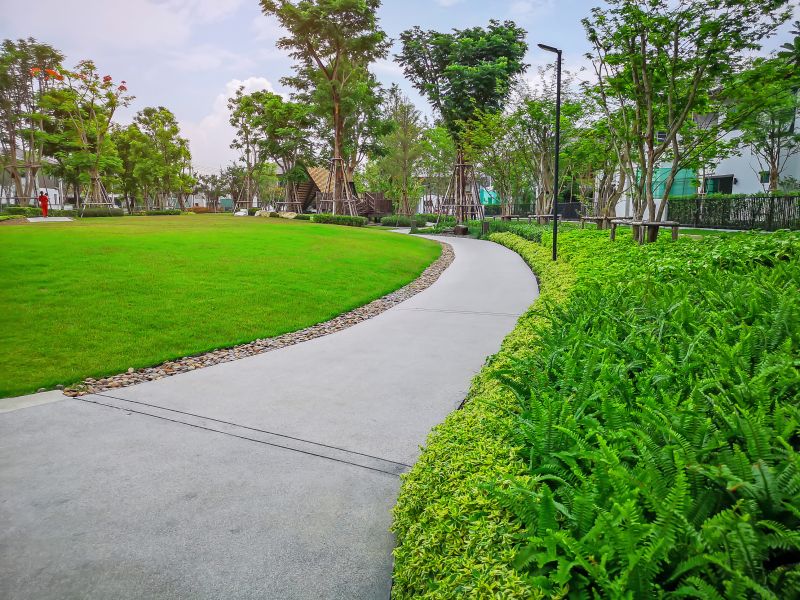
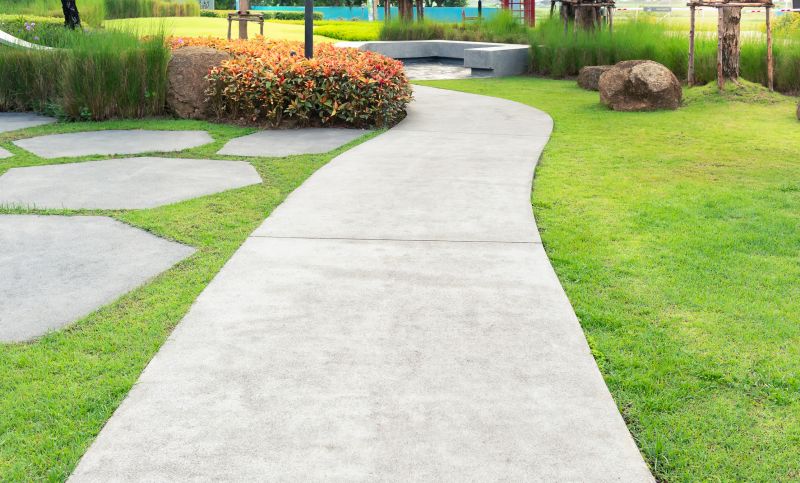
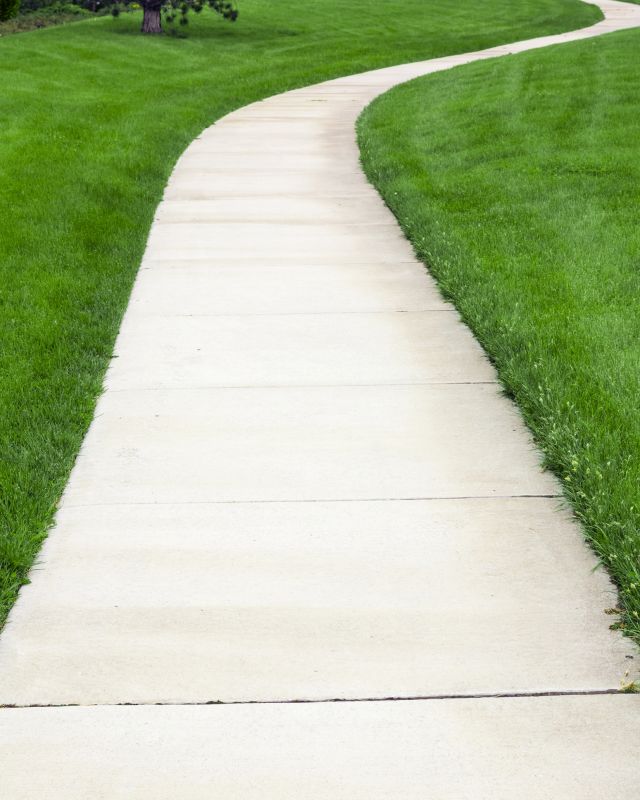
Walkway resurfacing services involve restoring and improving the surface of existing walkways, paths, or sidewalks to enhance safety, appearance, and durability. This process typically includes cleaning the old surface, repairing cracks or damage, and applying a new layer of material such as concrete, asphalt, or specialized overlay products. The goal is to create a smooth, even surface that reduces the risk of tripping and provides a fresh look for the property. These services are an effective way to extend the lifespan of a walkway without the need for complete replacement.
Many common problems can be addressed through walkway resurfacing. Over time, walkways may develop cracks, uneven surfaces, or surface deterioration due to weather exposure and regular use. These issues can pose safety hazards and diminish curb appeal. Resurfacing helps to fill in cracks, level out uneven areas, and restore the surface’s integrity. It can also improve slip resistance, making walkways safer during wet or icy conditions. For properties with aging or damaged walkways, resurfacing offers a practical solution to refresh and reinforce the existing structure.
Walkway resurfacing services are frequently used on residential properties, including front and backyard paths, as well as on commercial and public spaces such as schools, parks, and business complexes. Homeowners often choose resurfacing when they want to improve curb appeal or address safety concerns without the expense of full replacement. Commercial property owners may opt for resurfacing to maintain a professional appearance and ensure safe access for visitors and employees. This service is suitable for any property with an existing walkway that has become cracked, stained, or uneven but still structurally sound enough to benefit from surface renewal.
Property owners considering walkway resurfacing should recognize when their existing surfaces need attention. Signs include visible cracks, uneven patches, surface spalling, or staining that affects the appearance and safety of the walkway. Resurfacing can also be a solution for walkways that have become slippery or worn down over time. By working with local service providers, property owners can find experienced contractors who can assess the condition of their walkways and recommend the appropriate resurfacing options. This approach helps ensure the surface is restored to a safe, attractive condition that complements the overall property.
The overview below groups typical Walkway Resurfacing projects into broad ranges so you can see how smaller, mid-sized, and larger jobs often compare in your area.
In many markets, a large share of routine jobs stays in the lower and middle ranges, while only a smaller percentage of projects moves into the highest bands when the work is more complex or site conditions are harder than average.
Smaller Repairs - Most minor walkway resurfacing projects typically fall within the range of $250-$600. These jobs often involve patching cracks or resurfacing small sections and are common for routine maintenance. Costs can vary based on the extent of damage and surface area.
Mid-Size Projects - Medium-sized walkway resurfacing jobs usually cost between $600 and $1,500. Many local contractors handle these projects, which may include resurfacing larger sections or replacing worn-out surfaces. Fewer projects reach the higher end of this range.
Large or Complex Jobs - Larger, more intricate walkway resurfacing projects can range from $1,500 to $3,500 or more. These often involve extensive surface preparation, custom finishes, or structural repairs, with costs increasing based on complexity.
Full Replacement - Complete walkway replacement typically starts around $3,500 and can exceed $5,000 for extensive or high-end materials. Such projects are less common and usually involve significant surface removal and installation by local service providers.
Actual totals will depend on details like access to the work area, the scope of the project, and the materials selected, so use these as general starting points rather than exact figures.
Paving and Asphalt Repair - local contractors skilled in asphalt patching and repair work share techniques used in walkway resurfacing to ensure durable, smooth surfaces.
Concrete Patio Installation - professionals experienced in concrete work utilize similar planning and surface preparation skills applicable to walkway resurfacing projects.
Driveway Resurfacing - local service providers specializing in driveway upgrades employ resurfacing methods comparable to those used for walkways to restore surface integrity.
Outdoor Surface Restoration - contractors handling various outdoor surface repairs use similar tools and planning strategies as walkway resurfacing to improve aesthetics and durability.
Sidewalk Repair and Replacement - local pros focused on sidewalk maintenance apply comparable skills in surface assessment and repair techniques as in walkway resurfacing.
Pool Deck Resurfacing - specialists in pool deck upgrades utilize resurfacing processes similar to walkway projects to enhance safety and appearance.
When comparing service providers for walkway resurfacing, it’s important to consider their experience with similar projects. Homeowners should look for local contractors who have a proven track record of completing walkway resurfacing work in their area. An experienced professional will be familiar with common challenges and effective solutions specific to local conditions, which can contribute to a smoother project and a more durable result. Asking for examples of past work or references related to walkway resurfacing can help gauge a contractor’s familiarity with projects of similar scope and complexity.
Clear, written expectations are essential when evaluating potential service providers. Homeowners should seek detailed proposals that outline the scope of work, materials to be used, and any specific steps involved in the resurfacing process. Having this information in writing helps prevent misunderstandings and ensures that both parties are aligned on project goals. Reputable local contractors will typically provide transparent documentation that clarifies what is included and what is not, making it easier to compare options and make informed decisions.
Effective communication and reputable references are key indicators of a reliable walkway resurfacing contractor. Homeowners should inquire about how the contractor communicates throughout the project, including responsiveness and clarity in explanations. Additionally, asking for references from previous clients can provide insights into the contractor’s professionalism, quality of work, and ability to meet expectations. It’s important to choose local service providers who are known for maintaining open lines of communication and have positive feedback from their past customers, as these qualities often lead to a more satisfactory project experience.
Property owners use Walkway Resurfacing services for practical projects around their homes and businesses. This guide focuses on everyday jobs and straightforward project options.
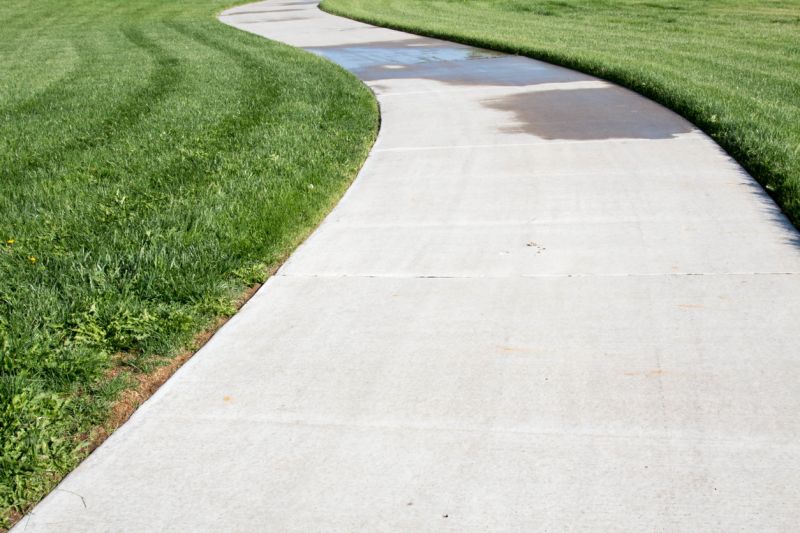
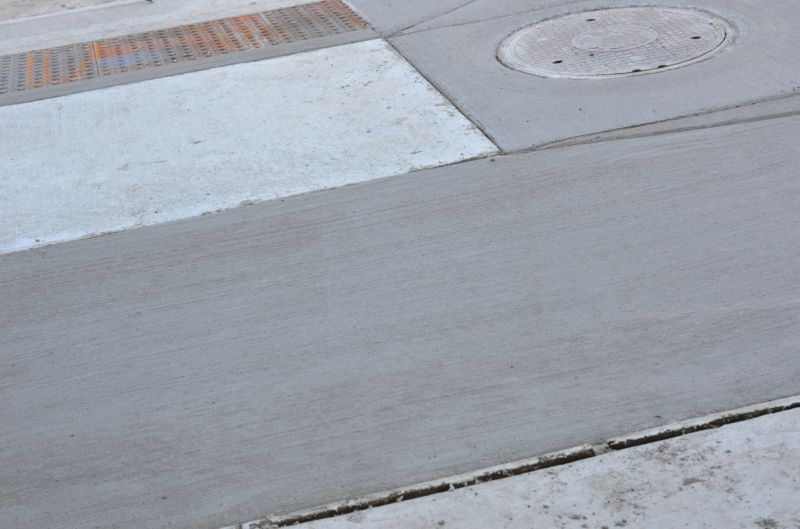
Walkway resurfacing services are often sought after by property owners dealing with cracked, uneven, or worn-out pathways that can pose safety hazards or diminish curb appeal. Whether a homeowner notices trip hazards after years of foot traffic or a business owner wants to refresh the appearance of their outdoor spaces, local contractors can provide solutions to restore and improve walkways. These projects are common in residential neighborhoods and commercial areas where a smooth, attractive surface is important for both safety and aesthetics.
Many property owners consider walkway resurfacing when planning outdoor upgrades or preparing a property for sale. Over time, weather exposure and regular use can cause surfaces to deteriorate, leading to the need for repairs or a complete overhaul. Local service providers can assess the condition of existing walkways and recommend suitable resurfacing options that enhance durability and appearance. This work helps create a safer, more inviting environment for residents, visitors, and customers alike.
What is walkway resurfacing? Walkway resurfacing involves restoring or updating the surface of an existing walkway to improve its appearance and safety, often by applying new materials or finishes.
What types of materials are used in walkway resurfacing? Common materials include concrete overlays, asphalt, pavers, and specialized resurfacing compounds designed to enhance durability and aesthetics.
How can resurfacing improve the safety of a walkway? Resurfacing can eliminate cracks, uneven areas, and other hazards, creating a smoother surface that reduces the risk of trips and falls.
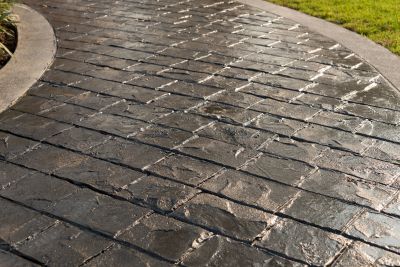
Are there different styles available for walkway resurfacing? Yes, service providers offer various design options, including textured finishes, decorative patterns, and color choices to match different aesthetic preferences.
How do local contractors determine if a walkway needs resurfacing? They assess the condition of the existing surface for damage, wear, and structural integrity to recommend appropriate resurfacing solutions.
Driveway and Pathway Renewal - Local contractors can resurface worn or cracked walkways to improve safety and appearance around a property.
Outdoor Entertaining Area Enhancement - Resurfacing services can upgrade patios and walkways to create inviting spaces for gatherings.
Garage Floor Restoration - Property owners can have garage floors resurfaced to improve durability and a clean look for everyday use.
Commercial Walkway Improvements - Businesses can work with local service providers to ensure safe, attractive walkways for customers and employees.
If you are thinking about Walkway Resurfacing for a property, this guide is meant to help you understand the work, the typical project types, and how different options might fit your plans.
When you are ready, you can use the quote form on this page to share a few details about your project. From there, local pros can review the basics and respond with options that match what you have in mind.